
Proactive Cybersecurity Assessments Help Hospitals Protect Critical Medical Operations
A hospital can replace a server on Monday, introduce new scheduling software on Wednesday, and still have patients arriving for appointments all week. Technology keeps moving, even when the building feels like it runs on familiar routines. Every change, however, can alter how systems connect or who has access to them. That is one reason a hospital pentest deserves a regular place in cybersecurity planning. It gives specialists a controlled opportunity to examine weaknesses before criminals find a way through. For an organization where delayed information can complicate care, discovering a problem early is far preferable to finding it during a crisis.
Ransomware rarely becomes a major incident through one dramatic mistake. An unpatched service might provide an entry point, while a compromised staff account can help an intruder get further than expected. From there, overly generous permissions or poorly separated networks may put additional systems within reach. Picture a workstation used for routine paperwork sharing unnecessary access with a server that supports clinical workflows. The connection might be convenient, but it deserves scrutiny. During an authorized assessment, testers investigate whether such pathways exist and how far an attacker could realistically progress. That perspective helps hospitals distinguish a minor inconvenience from a weakness with serious operational implications.
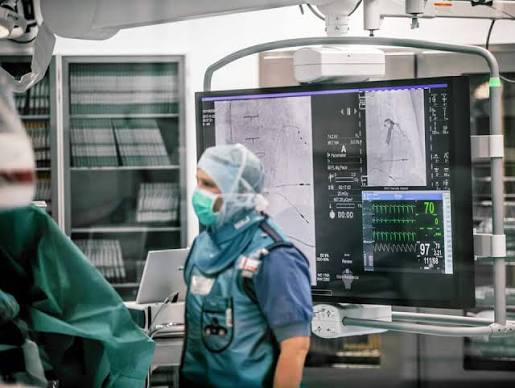
Of course, hospitals cannot shut down essential equipment just to test their defenses. An assessment should begin with conversations involving IT teams, clinical leaders, and the people responsible for keeping services available. Together, they can identify sensitive systems, agree on safe techniques, and establish clear procedures for stopping activity if an unexpected risk appears. Some devices may need to be excluded from active testing, with safer alternatives used to evaluate related controls. Good testers understand that demonstrating every possible exploit is not the goal. Their work should produce useful evidence while respecting the reality of occupied wards, urgent decisions, and uninterrupted patient care.
What happens after testing matters just as much. A report full of findings will not help much if nobody can tell which issues require attention first. Recommendations should connect technical weaknesses to likely consequences, then give teams practical steps toward reducing exposure. That could mean removing obsolete accounts, tightening administrative access, updating supported software, or separating networks that have no good reason to communicate freely. Hospitals should also check that backups are protected and recovery arrangements have been exercised. Penetration testing cannot replace those preparations, but it can show where prevention measures are too easy to bypass and where resources could make the biggest difference.
The challenge is that healthcare technology never stays still. New suppliers come aboard, staff responsibilities shift, and a software update may quietly change yesterday’s security assumptions. A hospital pentest performed at sensible intervals, particularly after significant infrastructure changes, helps keep the picture current. Just as importantly, retesting confirms whether earlier fixes actually closed the gaps they were meant to address. Security teams can then share the lessons with system owners and strengthen future purchasing and configuration decisions. Ransomware prevention is not one heroic project with a final finish line. It is a series of informed choices that make a hospital harder to disrupt, while allowing clinicians to concentrate on the people who need them.